XFS, LVM, Ceph and ZFS: the data on Linux managed with judgment — from the local scratch to the distributed.
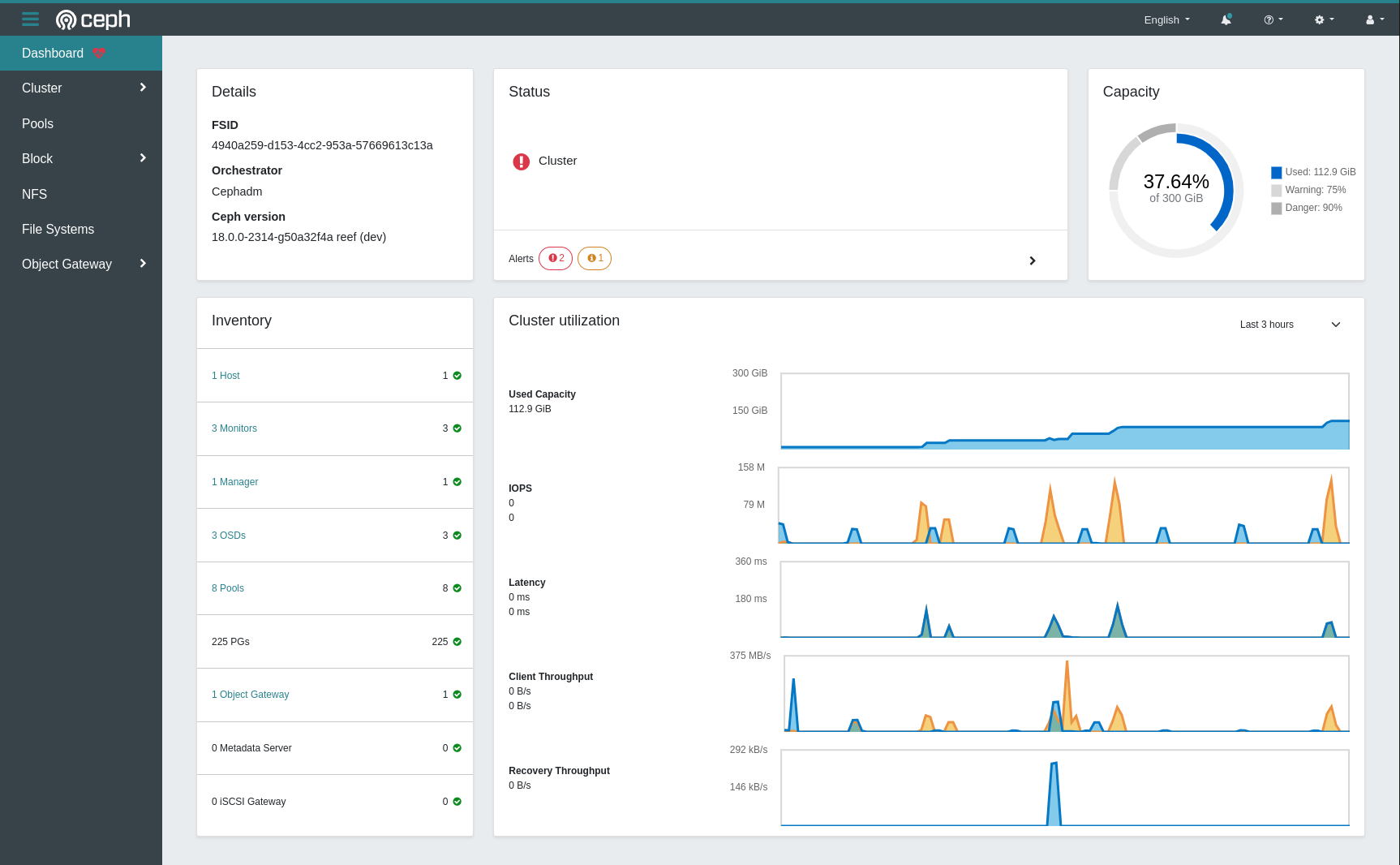
Storage on Linux is a layered trade: XFS for production (the solid default), LVM for flexibility (snapshots, hot resize), ZFS where checksums and compression are needed, and Ceph when the data must scale across nodes — block, file and object from the same cluster. Every choice has its place; the criterion is the design.


XFS or ZFS? Thin or thick LVM? The matrix on the requirements (integrity, snapshots, performance) — not on habit.
LVM/ZFS snapshots for consistent backups and rollbacks: powerful, and to be governed (the space runs out).
Failure domains, a dedicated network and the fill level under control: the distributed that doesn't improvise.
Mount options, schedulers and alignments: the percentage points that add up and get felt.
Linux storage gives you control: LVM abstracts the volumes (online resize, snapshots, thin provisioning), XFS is the robust default for the big workloads, Btrfs adds checksums and snapshots at zero cost (the pre-patch snapshots that save), ZFS (where licensable) unites everything with end-to-end integrity, mdadm does the software RAID; for the scale: Ceph distributes block/file/object across commodity nodes with self-healing — the storage that grows by servers, without a SAN.
The filesystem and the volumes tuned on the workload.
Ceph for those growing beyond the array.
ZFS and snapshots: the restore's first line.