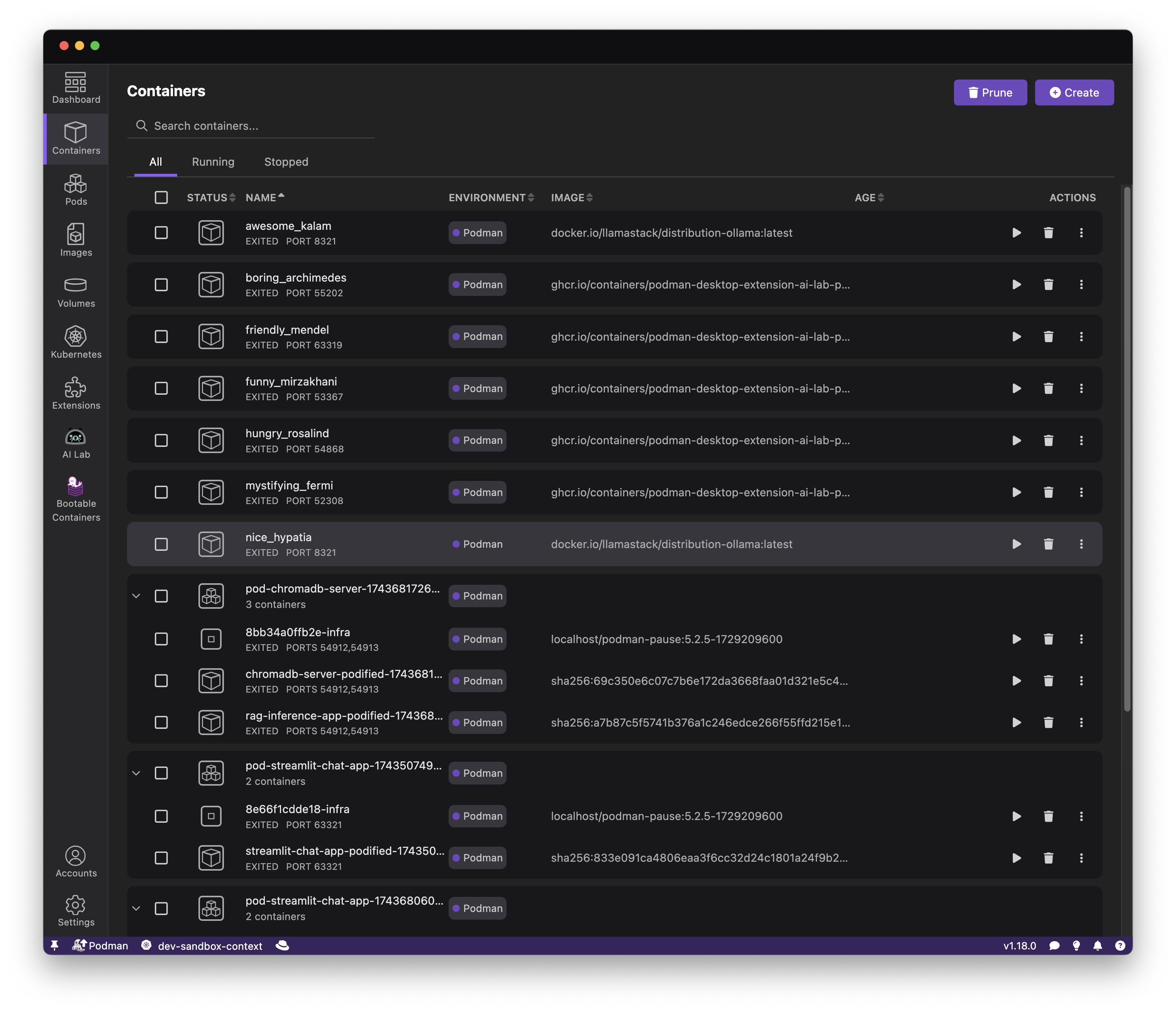
The applications' modern runtime: from single containers to orchestration — the Linux that becomes a platform.
Containers are Linux packaged well: Podman (daemonless, rootless: the secure default), images built with judgment (small, signed, no secrets inside) and, when the services grow, the orchestration — from systemd+Quadlet for the small to Kubernetes/OpenShift for the big. Modernization starts here.


Minimal bases, multi-stage, scanning and signing: the image is production software.
You containerize what gains from it (stateless apps, internal tools): not everything, not right away.
Quadlet for the counted services: the containers' benefits without K8s's weight.
When the containers multiply: the move to K8s/OpenShift planned, not immediate.
The container is a confined Linux process (namespaces+cgroups): Podman runs them rootless and daemonless (Docker's root socket disappears: the surface shrinks), Buildah builds the images, Skopeo moves them between registries, crun/runc are the OCI runtimes; the enterprise chain: minimal images (UBI, distroless), vulnerability scanning, signing (cosign) and SBOMs for the supply chain; systemd integrates the containers as services (Quadlet): the container without an orchestrator where it suffices.
The legacy packaged, the new already native.
Reproducible deployments instead of the 'installed by hand'.
The right practices before the orchestrator.