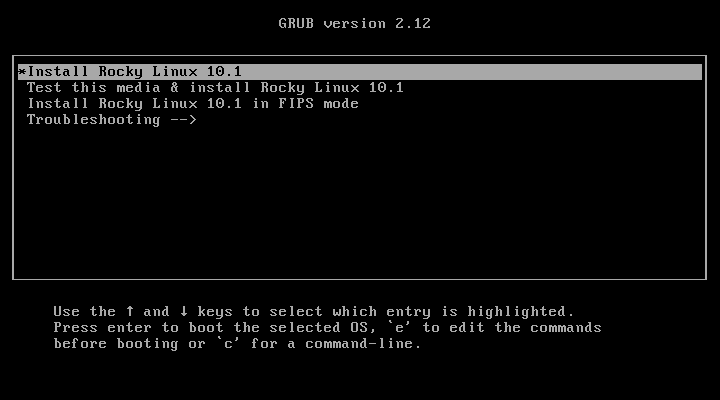
Rocky, Alma and Debian: when the budget counts — with the awareness of what you give up, and a plan B ready.
Rocky Linux, AlmaLinux and Debian run half the internet: solid, free, compatible (the rebuilds) with the RHEL world. In the company they have their place — development environments, internal workloads, large non-critical estates — as long as the choice is conscious: no vendor SLAs, patches from the community, and the compliance to build on your own.


What can live on community and what can't: the map by criticality, not by habit.
YoctoIT patching, hardening and monitoring on the rebuilds: the community with an SLA on top.
Those who were there remember 2020: the exit strategy (toward Rocky/Alma or RHEL) written from day one.
CIS and evidence even without a vendor: the open tools, our method.
Open source in the company must be governed: the dependencies' inventory (SBOM: you know what runs), the licenses respected (GPL, Apache, MIT: different obligations), the supported versions (the EOL community doesn't patch), the upstream relationship (the bugs reported, the patches contributed: the company that counts in the communities it depends on); the distro choice is strategy: RHEL/SLES for the support, Ubuntu for the rhythm, Debian/Alpine for the sobriety — and plan B always ready.
Web farms and internal nodes: the savings that add up.
The minor environments, free and aligned.
The community/enterprise mix designed with numbers.