Linux & Open Source · Software · YoctoIT tech page

Automazione

Configuration as code: our runbooks applied to the whole estate — identical, tracked, reusable.

FOCUS · THE ESTATE FROM CODEIdempotent playbooks and desired state: the hand-configured server is an exception to extinguish
YoctoIT material for clients and partners · Linux is a trademark of Linus Torvalds; the distributions and products mentioned are trademarks of their respective owners.
01 · What it is

Automazione — Ansible & Terraform, made clear.

On well-managed Linux, the configuration is code: Ansible describes the desired state (packages, configs, users, hardening) and applies it identically on ten or a thousand machines; Terraform creates the infrastructure underneath. The result: no drift, no 'special servers', and the disaster rebuildable by rerunning the code.

Idempotente
the reapplicable playbook: the state converges, it doesn't pile up
Git
the configuration versioned: who changed what, and the rollback
Inventory
the estate described and grouped: the change to the right group, always
Automazione — Ansible & Terraform
OFFICIAL LINUX BRANDING · AUTOMATION
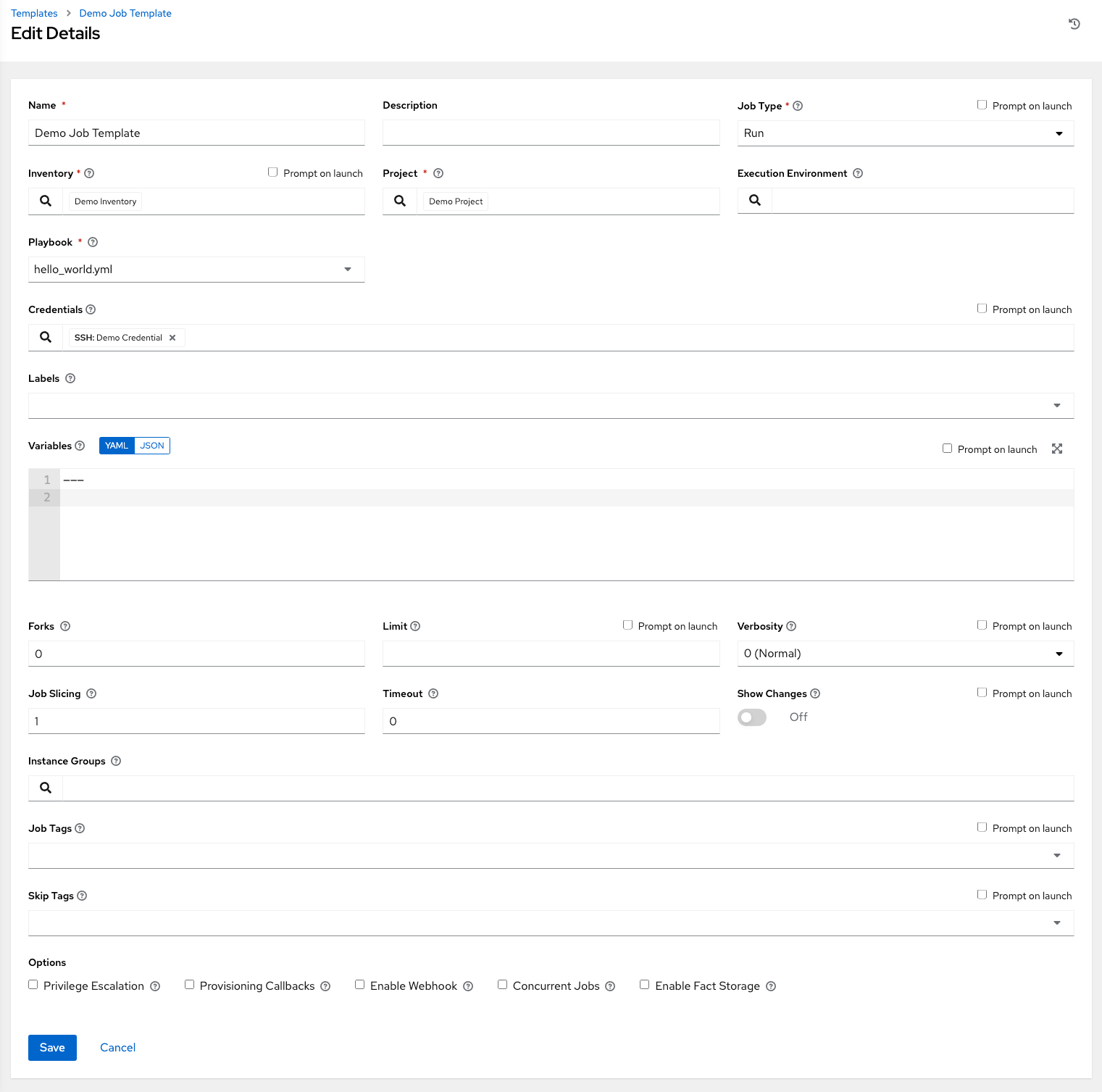
CONSOLE REALE · ANSIBLE AUTOMATION CONTROLLER · FONTE: RED HAT DOCS
REAL CONSOLE · ANSIBLE AUTOMATION CONTROLLER · SOURCE: RED HAT DOCS
02 · How to use it well

The things that make the difference.

The flow

The requested change'enable MFA on all the web servers'
Playbooks & roles
Review & tests
Application in waves
the code · the control · the rollout
Git & CIthe history and the proof
The converging estatea thousand machines, one state
The configuration that doesn't drift

The codified runbooks

Our validated procedures become Ansible roles: the execution's quality, guaranteed by the machine.

The drift hunted

The periodic compliance checks: the 'fixed by hand' server discovered and realigned.

The legacy inside too

AIX, IBM i and network devices in the collections: the automation beyond the x86 perimeter.

The reproducible disaster

The lost server gets rebuilt from code: the configuration's backup is the repository.

03 · In depth

Ansible and infrastructure as code

Linux automation starts from Ansible: agentless (SSH suffices), the YAML playbooks declare the state, the roles and the collections reuse (Galaxy and Automation Hub), the idempotence makes the rerun safe; on top: AWX/Automation Platform for RBAC, schedules and surveys, the dynamic inventory from the cloud/CMDB, the Jinja2 templates for the configurations, molecule to test the roles; the path: first the baselines (users, SSH, hardening), then the provisioning, then the orchestration — the artisanal server disappears.

  • Agentless — SSH and Python suffice: you start on the existing estate
  • Idempotenza — the relaunchable playbook: the state converges, it doesn't break
  • Ruoli & collection — organized reuse: the corporate automation library
  • AWX/AAP — RBAC, logs and schedules: the automation governed, not one person's scripts
  • Inventory dinamico — the cloud and the CMDB as the source: the estate always true
  • Molecule — the roles tested: the automation with software quality
04 · Numbers and lifecycle

The numbers that matter.

-90%
the time of the repetitive tasks automated
0
agents to install
100%
of the configurations versioned in Git
drift 0
the state that converges at every run
Automation is the team's multiplier: baselines, playbooks and AAP built by us — the reproducible infrastructure.
05 · Use cases

Where it really pays off.

Large estates

A hundred servers consistent as one.

Continuous compliance

The hardening reapplied, not just applied.

Fast onboarding

The new machine ready in minutes, from code.

The artisanal server is debt in disguise: the code extinguishes it — and we write the code.