Microsoft Azure · Infrastruttura · YoctoIT tech page

AVS

Your vSphere estate moves to Azure as-is: same tools, same VM format — the bridge option when time is short.

FOCUS · THE VSPHERE BRIDGEData center exit in months, not years: vMotion to the cloud and then you think
YoctoIT material for clients and partners · Microsoft, Azure, Entra, Defender and the other products mentioned are trademarks of Microsoft Corporation.
01 · What it is

Azure VMware Solution, made clear.

AVS is a complete VMware environment (vSphere, vSAN, NSX) on Azure bare metal, managed by Microsoft: VMs migrate with HCX without conversions, operators use the tools they know. It's the fast answer when the data center closes or the iron contract expires — and the base from which to modernize calmly.

Nativo
real vSphere on Azure iron: VMs migrate untouched
HCX
live migration in waves, with vMotion to the cloud
Adjacent
Azure services alongside: backup, monitoring, AI a private link away
Azure VMware Solution
OFFICIAL MICROSOFT BRANDING · AVS
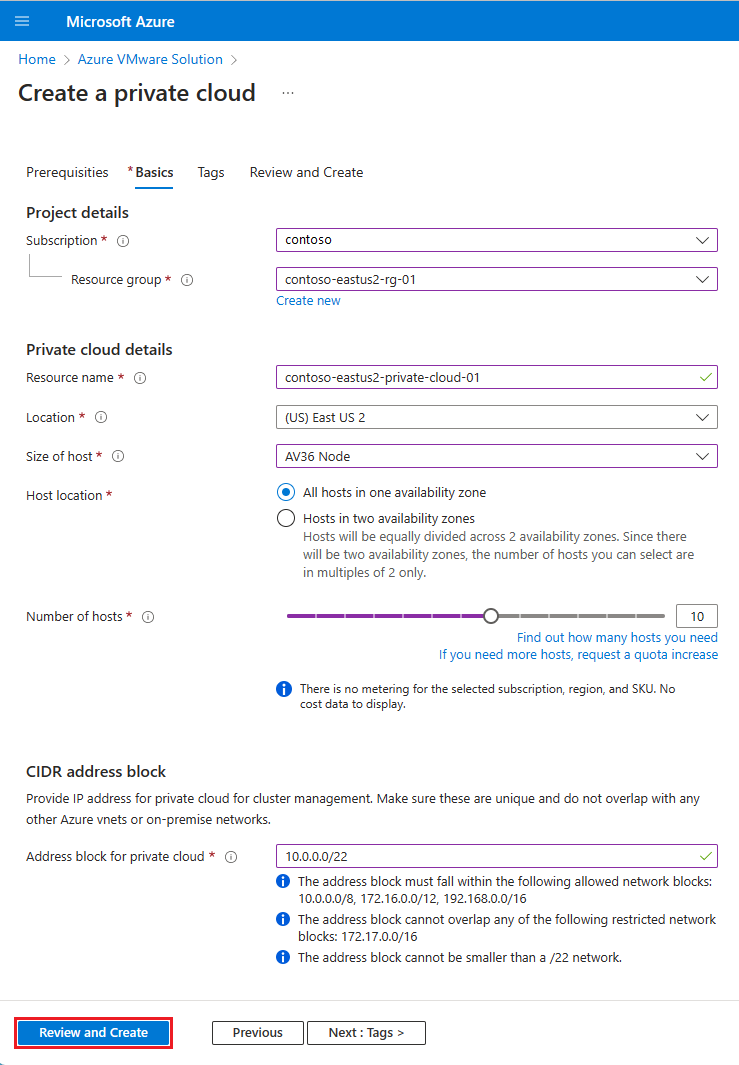
PORTALE AZURE REALE · CREAZIONE PRIVATE CLOUD AVS · FONTE: MICROSOFT LEARN
REAL AZURE PORTAL · AVS PRIVATE CLOUD CREATION · SOURCE: MICROSOFT LEARN
02 · How to use it well

The things that make the difference.

The journey

The vSphere VM estateas it is today, on site
HCX · migration waves
AVS · managed SDDC
Azure services
the move · the new home · the evolution
Azure governancecosts, policies, identity
Dedicated Azure bare metalMicrosoft's iron
First move, then modernize

An honest business case

AVS costs money: it makes sense for speed and getting off the iron, and must be compared with alternatives (we do it with numbers).

Migrazione a ondate

Application groups, dependencies and rehearsals: HCX makes the move a process, not a leap.

Reservations and right-sizing

3-year reserved instances and nodes counted right: the AVS bill is tamed at design time.

Exit strategy included

AVS as a bridge: the modernization plan (native VMs, AKS) starts on day one.

03 · In depth

Nodes, HCX and Azure adjacency

AVS delivers vSphere/vSAN/NSX on dedicated bare-metal nodes (AV36P/AV48/AV64) in clusters of 3 to 16 nodes: the VMware part stays identical (your vCenter), HCX Enterprise migrates hot with vMotion over WAN and bulk migration, and the internal ExpressRoute links AVS to the rest of Azure at campus latencies. Windows/SQL licenses on AVS enjoy dedicated benefits; DR is done with SRM or to Azure with Site Recovery.

  • AV64 — the current dense node: TCO per VM improves at scale
  • HCX Enterprise — included: vMotion over WAN, bulk and RAV for the waves
  • vCenter in mano tua — CloudAdmin permissions: the VMware tools stay valid
  • Adiacenza PaaS — SQL MI, Blob and AI a private endpoint away
  • Stretched cluster — AVS across two AZs for 99.99% SLA where available
  • Reserved instance — 1-3 years on the nodes: the discount that makes the bill serious
04 · Numbers and lifecycle

The numbers that matter.

3-16
nodes per cluster (up to 12 clusters per private cloud)
99,9%
base SLA (99.99% stretched)
0
refactoring to migrate: VMs stay VMs
30-60
typical days for a well-planned exit
AVS is the serious shortcut out of the iron: HCX assessment, planned waves and node right-sizing — then you modernize calmly.
05 · Use cases

Where it really pays off.

Data center exit

The machine room closes: the estate flies to Azure in months.

Expiring contracts

EOL hardware or a heavy VMware renewal: the immediate bridge.

VMware DR

The secondary vSphere site without a second data center.

AVS is a great bridge and a terrible parking lot: we take you there and then help you get off.