AWS · Software · YoctoIT tech page

Container

Kubernetes and containers managed by AWS: the modern application platform without the weight of control planes.

FOCUS · APPLICATION PLATFORMEKS for the Kubernetes standard, ECS/Fargate for simplicity: the right container for the right team
YoctoIT material for clients and partners · AWS e i nomi dei servizi sono marchi di Amazon.com, Inc.
01 · What it is

Amazon EKS & ECS, made clear.

EKS is the upstream-conformant Kubernetes managed by AWS: guaranteed control plane, orchestrated upgrades, IAM integration. ECS is the simpler proprietary orchestrator; with Fargate containers run without any nodes to administer at all.

Upstream
EKS is certified Kubernetes: no forks, no API lock-in
Fargate
containers without nodes: you pay for the pod, not the VM
99,95%
SLA of the multi-AZ EKS control plane
Icona ufficiale AWS — Amazon EKS & ECS
OFFICIAL AWS ICON · Container
Console AWS
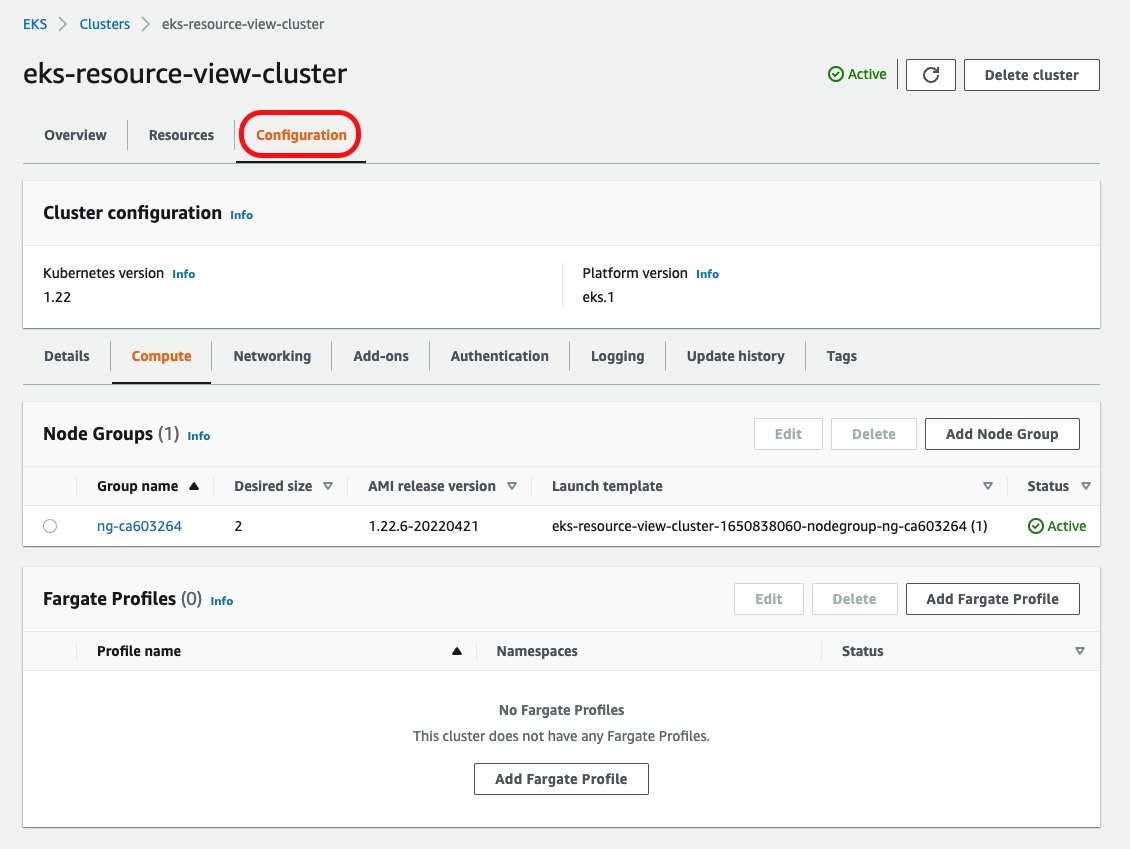
REAL AWS CONSOLE · EKS · VISTA CLUSTER · SOURCE: AWS BLOG
02 · How to use it well

The things that make the difference.

The container platform

Applications & microservicesthe workload
EKS · Kubernetes
ECS · simple
Fargate · serverless
three ways, one ecosystem
ALB & service discoverytraffic to the pods, managed
ECR · registryimages signed and scanned
From containers to traffic, all managed

Karpenter

Next-generation node autoscaling: the right capacity, provisioned in seconds.

Managed add-ons

CNI, CoreDNS, EBS CSI updated by AWS: the cluster that doesn't rust.

IAM & IRSA

Le identità dei pod integrate con IAM: il least privilege dentro il cluster.

EKS Anywhere / Hybrid

AWS's Kubernetes on-prem too: consistency for hybrid lives — where OpenShift also plays for us.

03 · In depth

The managed control plane and the right nodes

EKS manages the multi-AZ control plane (API server and etcd) with a 99.95% SLA; nodes are chosen among managed node groups, serverless Fargate and — more and more — Karpenter, which provisions the right instance in seconds by watching pending pods. IRSA/Pod Identity give pods IAM without keys; VPC CNI assigns native IPs; managed add-ons (CoreDNS, kube-proxy, EBS CSI) update with the cluster upgrade.

  • Karpenter — autoscaling by pending pods: mixed sizes and Spot orchestrated on its own
  • Pod Identity — IAM per service account: pods with precise permissions, zero secrets
  • VPC CNI — VPC IPs for every pod: native security groups and observability
  • Managed add-on — CoreDNS/kube-proxy/CSI versioned with the cluster: orderly upgrades
  • Fargate — nodeless pods for spot-safe workloads: no AMIs to manage
  • Upgrade path — one minor at a time, add-ons before nodes: the K8s calendar is law
04 · Numbers and lifecycle

The numbers that matter.

99,95%
the EKS control plane SLA
4/anno
the Kubernetes minors: standard support lasts ~14 months
-60%
the typical saving with Karpenter + Spot on the nodes
110
pods per node (default CNI) to plan into the CIDR
EKS removes etcd, not the decisions: Karpenter, identity and upgrades configured by us — and the cluster stays current without drama.
05 · Use cases

Where it really pays off.

Microservices in production

The service-based backend with continuous deploys: rolling updates and rollbacks without drama.

Application modernization

From monolith to containers by degrees: first containerize, then decompose.

Jobs and queues

Workers scaling on SQS queues: asynchronous work that sizes itself.

Containers yes, but governed: clusters observed, patched and with serious RBAC — whether EKS in the cloud or OpenShift at home.