Lenovo · Infrastruttura · YoctoIT tech page

ThinkAgile

The hyperconvergence certified for Nutanix, VMware and Azure Local: HCI with the right iron underneath, validated.

FOCUS · HCI WITHOUT SURPRISESValidated nodes, integrated software, single support: appliance-grade hyperconvergence
YoctoIT material for clients and partners · Lenovo, ThinkSystem, ThinkAgile, TruScale and the other products mentioned are trademarks of Lenovo.
01 · What it is

ThinkAgile HX / VX / MX, made clear.

The ThinkAgiles are turnkey HCI: HX for Nutanix, VX for VMware vSAN, MX for Azure Local — certified nodes with the software stack integrated, firmware validated for the exact combination, and a single support for iron and software. Hyperconvergence without DIY craftsmanship.

3 stack
Nutanix, VMware, Azure Local: the free choice, the validated iron
Appliance
from the rack to production in days: the pre-integrated HCI
1 supporto
iron and software together: the vendor ping-pong, abolished
ThinkAgile HX / VX / MX
OFFICIAL LENOVO BRANDING · THINKAGILE
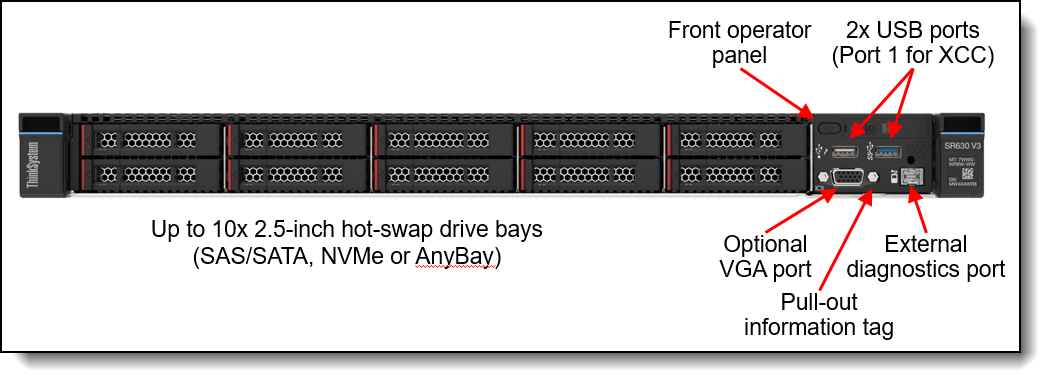
FOTO UFFICIALE LENOVO · THINKAGILE VX 630 V3
OFFICIAL LENOVO PHOTO · THINKAGILE VX 630 V3
02 · How to use it well

The things that make the difference.

The proposal

VMs (and containers)the consolidated workloads
HX · Nutanix
VX · vSAN
MX · Azure Local
three roads, one iron
Validated nodes & firmwarethe combination guaranteed
ThinkSystem underneaththe family's reliability
HCI with the certified iron

The stack choice

Nutanix, vSAN or Azure Local on YOUR context (licenses, skills, roadmap): the matrix we bring.

Sized clusters

Nodes, failure tolerance and network: HCI gets designed like serious storage.

Expansion by nodes

Growth by bricks: the new node enters the cluster in an afternoon.

Integrated lifecycle

Firmware and software updated together, validated: the HCI that stays within the support matrix.

03 · In depth

HCI and integrated systems: the choice by stack

ThinkAgile packages hyperconvergence by stack: MX for Azure Local (certified nodes with S2D, the Microsoft hybrid), VX for the VMware vSAN world (where the roadmap must be managed post-Broadcom), HX for Nutanix (the rising alternative: AHV without hypervisor licenses); the nodes arrive integrated and validated (firmware, drivers, best practices), the support is single-point (hardware and software together), the update is orchestrated for the whole stack.

  • MX / Azure Local — the S2D-certified nodes: the Microsoft hybrid with Arc on top
  • HX / Nutanix — AHV included: the exit from hypervisor licenses at value
  • VX / vSAN — the VMware world: to govern with the post-Broadcom strategy
  • Validated — firmware and drivers tested together: the matrix already solved
  • Single-point support — one number for the whole stack: the ping-pong abolished
  • Update orchestrato — OS+drivers+firmware in one train: the single window
04 · Numbers and lifecycle

The numbers that matter.

3
the stacks: Microsoft, Nutanix, VMware
1
the support point for hardware and software
2-16
the nodes per typical cluster
TCO
the stack comparison: the choice must be made with numbers
The right HCI depends on the context: MX, HX or VX — the TCO comparison and the migration done by us, without dogmas.
05 · Use cases

Where it really pays off.

Consolidation

From three silos (servers+SAN+switches) to one cluster.

Sites and branches

The mini HCI cluster for the periphery.

The post-VMware alternative

HX/MX for those reviewing their stack: the concrete options.

HCI promises simplicity: with the validated nodes it keeps it — we size it and manage it.