HPE · Infrastructure · YoctoIT tech page

StoreOnce & tape

The dedupe backup targets and the tape libraries: the protection's physical shore — including the true air gap.

FOCUS · WHERE THE BACKUPS SLEEP20:1 dedupe, Catalyst and the tape that can't be hacked: the right destination for the copies
YoctoIT material for clients and partners · HPE, ProLiant, Aruba, GreenLake and the other products mentioned are trademarks of Hewlett Packard Enterprise.
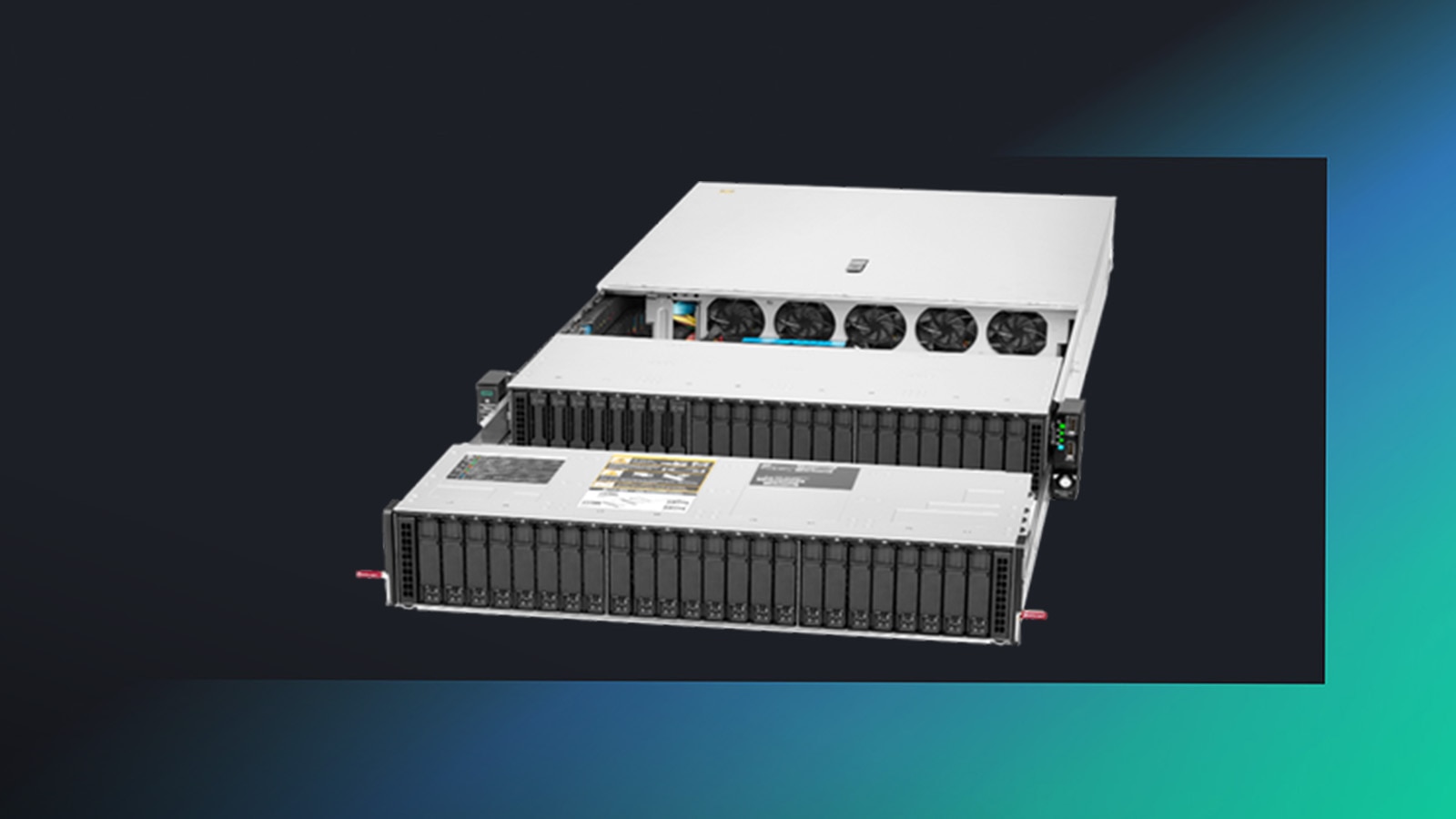
01 · What it is

HPE StoreOnce & tape, made clear.

Backups need a purpose-built home: StoreOnce deduplicates (typically 20:1) and with Catalyst makes the copies invisible to the standard protocols — the ransomware finds no shares to encrypt. And for the last line: LTO tape, the only true physical air gap — the cartridge in the vault has no attack surface.

20:1
the typical dedupe: twenty days of backups in the space of one
Catalyst
the proprietary protocol: the copies the malware doesn't see
LTO-9/10
modern tape: 18-36 TB per cartridge, the cold that costs nothing
HPE StoreOnce & tape
OFFICIAL HPE BRANDING · STOREONCE & TAPE
FOTO UFFICIALE HPE · STOREONCE
OFFICIAL HPE PHOTO · STOREONCE
02 · How to use it well

The things that make the difference.

The physical chain

Veeam & the backup softwarethose who write the copies
StoreOnce · dedupe target
Catalyst copy between sites
Tape library
the home · the journey · the vault
Immutability & isolationthe copies out of reach
The offline tapethe air gap that can't be punctured
From the disk to the tape, all armored

Sizing on the real dedupe

The ratio depends on YOUR data: the PoC that measures, before the purchase.

Catalyst + Veeam

The native integration: fast copies, replicas between StoreOnces and no exposed shares.

The tape rotation

Who takes the cartridges where, when: the process (and the log) that makes the air gap real.

Restore tests from the cold too

The tape gets tested: the yearly restore from the vault, minuted.

03 · In depth

Dedupe and Catalyst: the serious backup target

StoreOnce does variable-block dedupe (20:1 typical): Catalyst is the protocol that changes the game — the dedupe happens at the source (the backup server sends only new blocks: the LAN breathes), the Catalyst stores are invisible to CIFS/NFS (the ransomware hunting for shares doesn't see them), the ISV lock and the immutability block the deletions, the replication between StoreOnces ships only the deduped delta: the offsite over a normal WAN; the Veeam/Commvault/Veritas integration is native.

  • Catalyst — dedupe at the source and invisible stores: speed AND reduced surface
  • 20:1 — the typical dedupe: 100TB of backups in 5 of iron
  • Immutabilità — the stores locked: the copy that resists the compromised admin
  • Replica dedup — only the new blocks over the WAN: the offsite without dedicated lines
  • Veeam nativo — Catalyst inside VBR: the repository that pushes
  • VSA — the virtual version: the same engine in the small sites
04 · Numbers and lifecycle

The numbers that matter.

20:1
the typical variable-block reduction
-95%
the replication bandwidth vs a full copy
0
visibility of the Catalyst stores from the network: the ransomware gropes in the dark
PB
the scale of the big models
The backup target is half the strategy: dedupe sizing, Catalyst and replication designed by us — with Veeam on top, armored.
05 · Use cases

Where it really pays off.

Backup target

The dedupe destination for the Veeam estate.

Long retention

Years of history on the cheapest medium.

Regulatory air gap

The physically offline copy NIS2 appreciates.

The last copy must be boring and unreachable: the tape is — and we manage it without dust.